

The mind games of chance understanding the psychology behind gambling behaviors
The Allure of Gambling
The psychology behind gambling behaviors reveals a complex interplay of emotions and cognitive processes that drive individuals to engage in games of chance. The allure of gambling is often rooted in the thrill of uncertainty. People are drawn to the possibility of winning, which activates the brain’s reward system. This rush can create a euphoric state, leading players to chase that exhilarating feeling again and again, often overriding rational thought and risk assessment.
Moreover, many individuals gamble as a form of escapism. It provides a temporary distraction from life’s challenges, allowing players to immerse themselves in a fantasy world where winning is possible. This emotional escape can become addictive, as the repetitive act of gambling reinforces the behavior. The combination of thrill and escapism serves as a powerful motivator, perpetuating a cycle that can be difficult to break.
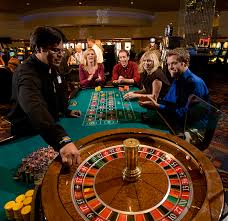
Social factors also play a significant role in the allure of gambling. Many individuals associate gambling with social interactions, enjoying the camaraderie of shared experiences in casinos or at online platforms. The community aspect can amplify the excitement and further stimulate the urge to gamble. This social engagement, mixed with the psychological thrill of risk, keeps players coming back for more, often against their better judgment.
Cognitive biases significantly influence gambling behaviors. One prevalent bias is the illusion of control, where individuals believe they can influence outcomes in games of chance. This misconception leads many to engage more frequently, as they feel empowered by their perceived abilities. For instance, a player might believe that their choice of numbers or betting strategies will yield better results, despite the inherent randomness of the game.
Another common cognitive bias is the gambler’s fallacy, where players mistakenly believe that past outcomes affect future events. For instance, if a particular number has not appeared in a roulette game for a while, a player might assume it is “due” to come up, prompting them to place a bet on it. This flawed reasoning can drive individuals to gamble more frequently, leading to increased losses and reinforcing negative patterns of behavior.
Understanding these cognitive biases is essential for recognizing the psychological traps that gambling can create. The ability to critically assess one’s motivations and thought processes can help individuals make more informed decisions about their gambling behaviors. Awareness of these biases can be the first step in mitigating their influence and avoiding the pitfalls associated with compulsive gambling.
Emotions play a pivotal role in gambling behaviors, significantly influencing decision-making processes. The excitement and adrenaline rush experienced during gambling can trigger feelings of happiness and pleasure, prompting individuals to engage in this behavior more often. When players experience a win, the emotional high can be intoxicating, reinforcing the desire to continue gambling for that euphoric sensation.
Conversely, losses can evoke feelings of frustration and sadness, leading individuals to adopt risky behaviors in an attempt to recover their losses. This phenomenon, often referred to as “chasing losses,” can compel players to gamble more than they originally intended, deepening their emotional investment and financial commitment. It illustrates how a simple game can escalate into a complex emotional struggle, affecting overall mental health and well-being.
Additionally, the emotional highs and lows associated with gambling can create a rollercoaster effect, where players oscillate between feelings of joy and despair. This unpredictability can intensify the overall experience, making it even more addictive. Understanding the emotional triggers behind gambling behaviors is crucial for individuals seeking to control their impulses and mitigate the adverse effects of compulsive gambling.
The environment in which individuals engage in gambling also plays a significant role in shaping their behaviors. Casinos, whether physical or online, are designed to immerse players in a world of excitement. Bright lights, sounds of winning, and the overall atmosphere are meticulously crafted to create an exhilarating experience, often leading to prolonged gambling sessions. This carefully curated environment can significantly influence how individuals perceive their chances of winning.
Cultural attitudes toward gambling further impact behaviors. In some societies, gambling is viewed as a traditional pastime, while in others, it may carry a stigma. These societal norms can shape individual perceptions, influencing whether people see gambling as a leisure activity or a harmful vice. In cultures where gambling is accepted and even celebrated, individuals may feel more inclined to participate, often without fully understanding the psychological implications.
Understanding the environmental and cultural contexts of gambling behaviors is essential for developing effective strategies for responsible gambling. By acknowledging these influences, individuals can better navigate the complex interplay between their behaviors and their surroundings, leading to more informed choices and healthier gambling practices.
At X3bet, we are dedicated to exploring the intricate world of gambling and its psychological underpinnings. Our mission is to provide insights that empower individuals to make informed choices regarding their gambling behaviors. We recognize the complexities of this domain and aim to shed light on the various factors influencing players, from cognitive biases to emotional triggers.
Through our comprehensive resources and expert analysis, offers a platform where individuals can learn about responsible gambling practices. We believe that understanding the psychology of gambling is key to promoting healthier behaviors and enhancing the overall experience for both novice and experienced players. Join us as we delve into the fascinating world of chance and the minds behind it.


Parkrag
We believe in citizen journalism. We believe there are stories to tell that can help to shape our community for the better. We believe tomorrow's Park City can be better than today's.
Comments
Comments are disabled for this post